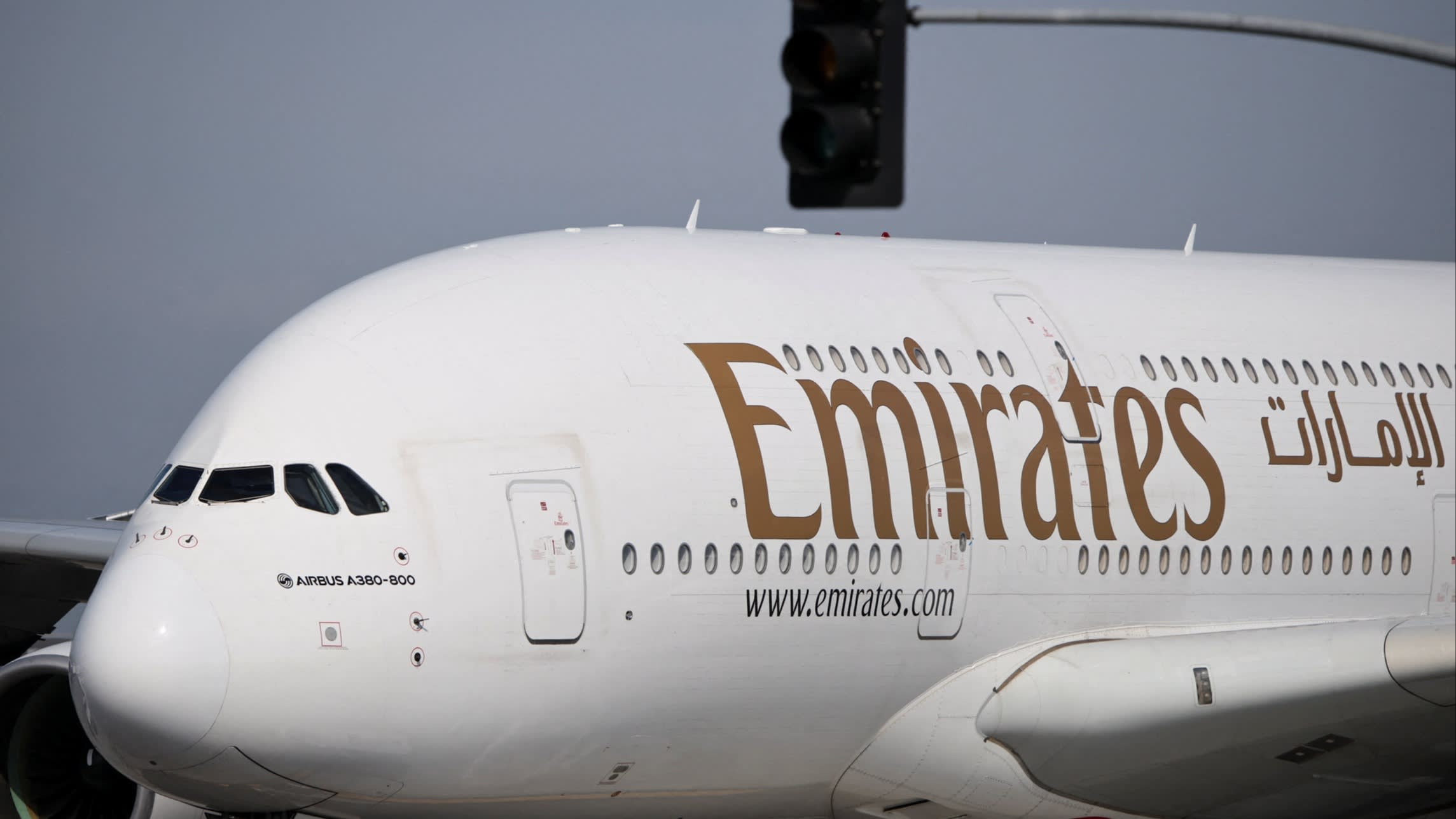
Dubai Aviation Recovery Accelerates: Emirates Reconnects Global Routes
In a remarkable display of resilience and operational agility, Dubai's aviation sector is rapidly bouncing back from recent regional disruptions, with Emirates leading the charge in reconnecting the world. The much-anticipated news that Emirates nears 100% network restoration in days signals a significant turning point not only for the airline but for global travel and trade. Passengers who have been asking, "is Dubai airport open?" can breathe a sigh of relief as flights are moving, and the efforts to dubai routes restore are gaining impressive momentum, far exceeding expectations.
The past few weeks saw unprecedented challenges for Middle Eastern airspace, impacting thousands of flights and millions of travelers. However, as regional conditions stabilize and airspace restrictions ease, Dubai, a pivotal global aviation hub, is quickly reasserting its dominance. This swift recovery underscores the strategic importance of Emirates' extensive network and Dubai International Airport (DXB) in facilitating long-haul journeys between continents. The carrier's commitment to restoring its full flight schedule within days is a powerful testament to its operational capabilities and the robust demand for travel through its world-class hub.
Emirates Leads the Charge: Full Global Network Recovery on the Horizon
Emirates, the Dubai-based aviation giant, has been at the forefront of the recovery effort, providing crucial updates that have instilled confidence across the industry. The airline has confidently announced its expectation to return to 100 percent of its global route network within days, a prospect that seemed distant just weeks ago. This rapid return to full capacity is contingent on continued airspace stability but reflects an extraordinary effort in logistics and coordination.
The initial phases of Emirates' recovery demonstrated both caution and swift action. Following the easing of restrictions, the airline promptly resumed a reduced schedule, focusing on key corridors. In the early stages of resumed operations, Emirates was already managing approximately 106 daily return flights to around 83 destinations. This represented roughly 60 percent of its usual global network, an impressive feat considering the sudden and severe nature of the disruptions. The strong demand was immediately evident, with around 30,000 passengers departing from Dubai on a single day during the early stages of resumed operations. By March 7, this level of operation was firmly established, highlighting the rapid pace at which dubai routes restore was progressing.
This phased but aggressive restart is complex, requiring meticulous coordination of aircraft, crew schedules, and airport logistics. However, Emirates' experience in navigating global disruptions, combined with Dubai's efficient infrastructure, has enabled this accelerated recovery. The airline's ability to swiftly bring its vast fleet back online and re-engage its international crew is a key factor in its remarkable resurgence, ensuring that the critical connections through Dubai are re-established for travelers worldwide.
Unpacking the Disruptions: A Glimpse into Regional Tensions
The recent aviation disruptions that rattled the Middle East were a direct consequence of escalating tensions across parts of West Asia. For safety reasons, several countries took precautionary measures, temporarily restricting or closing their airspace to civilian aircraft amid concerns over military activity and potential missile threats. This vital safety measure, while necessary, had an immediate and profound impact on one of the world's busiest aviation corridors.
Countries including Iran, Iraq, Israel, Kuwait, Qatar, and Syria introduced varying levels of airspace restrictions as the crisis unfolded. This created a significant choke point in a region that typically handles thousands of international flights daily, serving as a critical bridge between Europe, Asia, and North America. The ripple effect was felt across global aviation networks; airlines operating long-haul routes were forced to cancel flights or undertake lengthy reroutes, consuming more fuel and time, and creating considerable inconvenience for passengers.
The situation underscored the delicate balance of global air travel and its vulnerability to geopolitical events. The closures not only affected direct flights to and from the region but also impacted crucial transit routes that leverage the geographic advantages of the Middle East. For Emirates and Dubai, which serve as central points for these intercontinental connections, the disruptions posed a substantial operational challenge, making the swift efforts to dubai routes restore even more commendable.
Dubai’s Indispensable Role as a Global Aviation Powerhouse
The restoration of Emirates’ network is particularly vital because Dubai serves as one of the world’s most significant international aviation hubs. Dubai International Airport (DXB) is not merely an airport; it is a meticulously engineered ecosystem designed to facilitate seamless global connectivity. Its strategic location at the crossroads of East and West makes it an unparalleled transit point, efficiently connecting passengers from diverse origins to destinations across every continent. The quick turnaround in managing the crisis and getting the airport fully operational speaks volumes about its resilience.
During the peak of the recovery period, the sheer volume of operations at DXB and its sister airport, DWC (Dubai World Central), highlighted Dubai's operational capacity. In just 84 hours, a staggering 1,140 flights were handled across both airports. Between March 2 and March 5, more than 500 outbound flights alone provided 105,000 seats to over 80 countries, and these numbers continued to climb daily. This capacity to quickly ramp up operations after a major disruption is what sets Dubai apart and solidifies its reputation as a reliable gateway.
The importance of Dubai extends beyond passenger transit. It is a critical node for cargo and logistics, underpinning global supply chains. The efficient flow of goods through DXB is essential for international trade, making the initiative to dubai routes restore crucial for economic stability far beyond the Gulf region. The investment in state-of-the-art facilities, advanced air traffic control, and highly trained personnel ensures that Dubai remains at the cutting edge of aviation, capable of managing high volumes and complex operational challenges.
Navigating the Recovery: Tips for Travelers and Industry Insights
As the aviation landscape in Dubai stabilizes and Emirates rapidly brings its network back to full strength, travelers can look forward to more predictable and efficient journeys. However, a degree of flexibility and preparedness remains advisable. Here are some practical tips for those planning to fly through Dubai or with Emirates:
- Monitor Flight Status: Always check the latest flight information directly on the Emirates website or through your booking agent before heading to the airport.
- Stay Informed: Keep an eye on regional news and official travel advisories, even as conditions improve. While stability is increasing, vigilance is always wise for international travel. For a deeper understanding of ongoing airspace conditions, refer to this related article: Global Travel Alert: Emirates Restores Flights Amid Easing Airspace Restrictions.
- Arrive Early: Even with streamlined operations, airport procedures can take time. Arriving with ample time for check-in, security, and boarding can reduce stress.
- Reconfirm Connections: If you have connecting flights, ensure that all legs of your journey are confirmed, especially if you experienced earlier disruptions.
- Flexibility is Key: While the situation is normalizing, minor adjustments can still occur. Being prepared for slight changes can make your travel experience smoother.
From an industry perspective, the phased restart reflects the immense complexity of rebuilding airline operations after sudden disruptions. It's not simply about getting planes in the air; it involves intricate crew scheduling, ensuring aircraft are positioned correctly globally, and coordinating with numerous airport logistics partners. The speed with which Emirates has managed this reflects strong internal processes and robust contingency planning. The concerted efforts to dubai routes restore demonstrate a remarkable synergy between the airline, airport authorities, and regional aviation bodies working towards a common goal of seamless global connectivity.
The accelerated recovery of Dubai's aviation sector, spearheaded by Emirates, is a powerful testament to resilience, strategic planning, and operational excellence. The swift action to dubai routes restore following significant regional disruptions not only provides relief to countless travelers but also reinforces Dubai's indispensable role as a central pillar of global connectivity. As Emirates aims for 100% network restoration, the future looks incredibly bright for air travel through this dynamic hub, promising continued growth and unparalleled service for passengers worldwide.