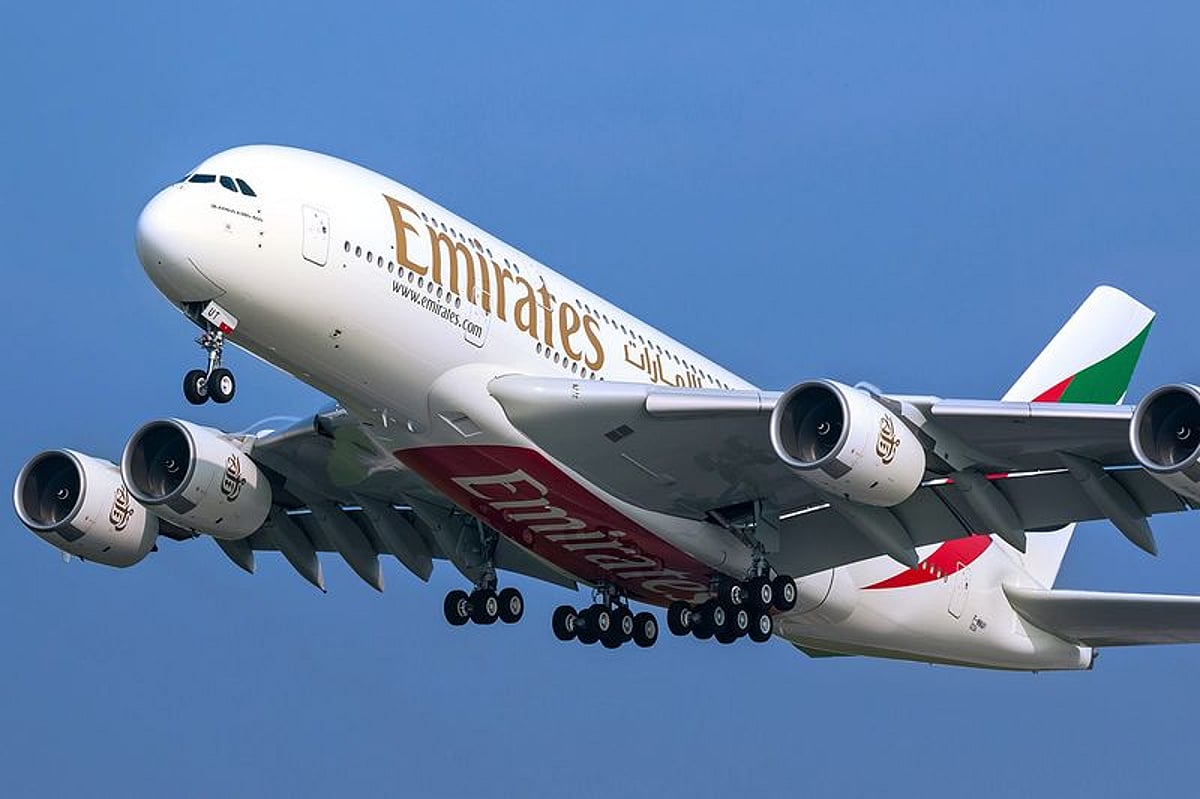
Global Travel Alert: Emirates Restores Flights Amid Easing Airspace Restrictions
The skies above the Middle East, once subject to significant disruption, are now witnessing a remarkable return to normalcy. Dubai-based airline Emirates has announced a swift and robust recovery, with plans to restore its full flight network in the coming days. This monumental effort to
restore Dubai routes and global connections marks a pivotal moment for international travel, signaling renewed stability in vital air corridors linking Europe, Asia, the Gulf, and North America. After a period that saw thousands of flights canceled or diverted, the aviation world is breathing a collective sigh of relief as one of its central arteries begins to pump at full capacity once more.
The implications of Emirates' full operational return are vast, extending far beyond the airline itself. Dubai, serving as a critical global aviation hub, relies heavily on this connectivity to facilitate tourism, trade, and business. Travelers searching "is Dubai airport open" can now find a definitive "yes," with operations not just resumed, but accelerating at an impressive pace. This article delves into the causes of the recent disruption, Emirates' proactive recovery, Dubai's enduring resilience, and what this means for the future of global air travel.
Navigating Turbulent Skies: The Regional Conflict's Impact on Global Aviation
The recent disruption to air travel was a direct consequence of escalating geopolitical tensions across parts of West Asia. For the safety of civilian aircraft, aviation authorities in several countries were compelled to impose temporary airspace restrictions or outright closures. This was a necessary precautionary measure amidst concerns over military activity and potential missile threats that threatened one of the world's busiest air travel corridors.
Countries including Iran, Iraq, Israel, Kuwait, Qatar, and Syria implemented varying levels of restrictions, effectively fragmenting a critical aerial highway that typically handles thousands of international flights daily. The ripple effect was immediate and far-reaching. Airlines operating lucrative routes between Europe, Asia, and North America found themselves navigating an unprecedented challenge. Flights were either canceled outright or forced to undertake significantly longer, more costly detours, consuming additional fuel and time. This not only affected passenger itineraries but also had broader consequences for air cargo and global supply chains, underscoring the delicate balance required to maintain seamless international connectivity. The incident served as a stark reminder of how regional instabilities can quickly translate into global aviation crises.
Emirates Leads the Charge: Restoring Dubai's Vital Connections
As regional conditions stabilized and airspace restrictions gradually eased, Emirates wasted no time in initiating its recovery. The airline, a cornerstone of Dubai's global connectivity, quickly moved to
restore Dubai routes, confirming its expectation to return to
100 percent of its global route network within days, provided the improved airspace conditions hold. This ambitious target highlights the airline's operational agility and commitment to its vast passenger base.
The initial phase of recovery saw Emirates implement a reduced schedule, carefully scaling up operations as logistical complexities were ironed out. In the early stages of resumed operations, the airline was already managing approximately 106 daily return flights to about 83 destinations, representing roughly 60 percent of its usual global network. The demand for travel was immediate and robust; international media outlets cited that around 30,000 passengers departed from Dubai on a single day during this period, illustrating the strong appetite for travel once flights became available. This phased approach, while complex, allowed the airline to meticulously coordinate aircraft, crew schedules, and crucial airport logistics to ensure a smooth and safe ramp-up towards full service. The rapid acceleration in restoring these vital connections is not just a triumph for Emirates, but a significant boost for the entire aviation ecosystem.
Dubai International: A Resilient Global Gateway
The restoration of Emirates' network holds immense significance due to Dubai's irreplaceable role as one of the world's most vital international aviation hubs. Dubai International Airport (DXB) is more than just an airport; it's a global crossroads, facilitating connections between continents and powering the region's economy. Its rapid recovery is a testament to its operational robustness and strategic importance.
Throughout the disruption, even as surrounding airspaces faced restrictions, Dubai Airport remained open, albeit with reduced traffic. The moment restrictions eased, operations at DXB, along with Dubai World Central (DWC), sprang back to life. Reports indicated that 1,140 flights were handled at DXB and DWC within a mere 84 hours during the initial recovery phase. Between March 2nd and March 5th alone, over 500 outbound flights provided 105,000 seats to more than 80 countries, and these numbers continued to climb daily. This astonishing pace of recovery underscores Dubai's logistical efficiency and its commitment to maintaining its status as a premier aviation gateway. The ability to quickly
restore Dubai routes ensures that trade, tourism, and diplomatic links remain strong, reinforcing the city's position on the global stage.
Tips for Travelers Post-Disruption
For those planning travel through Dubai, especially in the wake of such disruptions, here are some practical tips to ensure a smoother journey:
- Check Flight Status Regularly: Even as operations normalize, always verify your flight status directly with Emirates or your airline before heading to the airport. Schedules can still be subject to minor adjustments.
- Arrive Early: While DXB is efficient, increased passenger volumes during recovery periods can lead to longer queues at check-in, security, and immigration. Give yourself ample time.
- Stay Informed: Monitor official airline and airport announcements. Sign up for flight alerts.
- Be Flexible: In the rare event of further unforeseen circumstances, having some flexibility in your travel plans can alleviate stress. Consider travel insurance that covers disruptions.
- Reconfirm Bookings: If your flight was previously affected, proactively reconfirm all booking details, including seat assignments and special service requests.
The Broader Implications: A Win for Global Connectivity and Trade
The rapid stabilization and restoration of services by Emirates and the resilience of Dubai's aviation infrastructure signify more than just renewed travel options. It represents a significant victory for global connectivity, trade, and economic confidence. The Middle East serves as a critical bridge between East and West, and disruptions in its airspace have far-reaching economic ramifications, impacting supply chains, international business travel, and the tourism sector globally.
The quick rebound demonstrates the inherent resilience of the aviation industry and the strategic importance placed on maintaining open skies. This restoration fosters trust among international travelers and businesses, assuring them that major hubs like Dubai can quickly adapt and recover from crises. The ability to swiftly
restore Dubai routes is a powerful indicator of stability, encouraging renewed investment and collaboration across continents. For more in-depth coverage on Emirates' rapid rebound, you can read our previous analysis:
Emirates Nears 100% Network Restoration in Days: Dubai Hub Reopens. The acceleration of these efforts underscores a broader trend in the region, as detailed in
Dubai Aviation Recovery Accelerates: Emirates Reconnects Global Routes. This collective effort not only re-establishes passenger confidence but also ensures the continued flow of goods and services that underpin the global economy.
In conclusion, Emirates' successful initiative to restore its comprehensive flight network amid easing airspace restrictions is a testament to the aviation industry's adaptability and Dubai's unwavering commitment as a global gateway. The rapid return to full operations, following significant regional disruptions, reinforces Dubai's critical role in international travel and trade. As flights resume full schedules, passengers can once again confidently plan their journeys, knowing that the vital "dubai routes restore" effort has successfully reconnected the world. This swift recovery not only marks the end of a challenging period but also heralds a renewed era of robust global connectivity and confidence in air travel.